Payment Networks Driving Participation Across Games in Structured Casino Loyalty Tiers
Cameron Wolf · Sep 4, 2026
Payment Networks Driving Participation Across Games in Structured Casino Loyalty Tiers
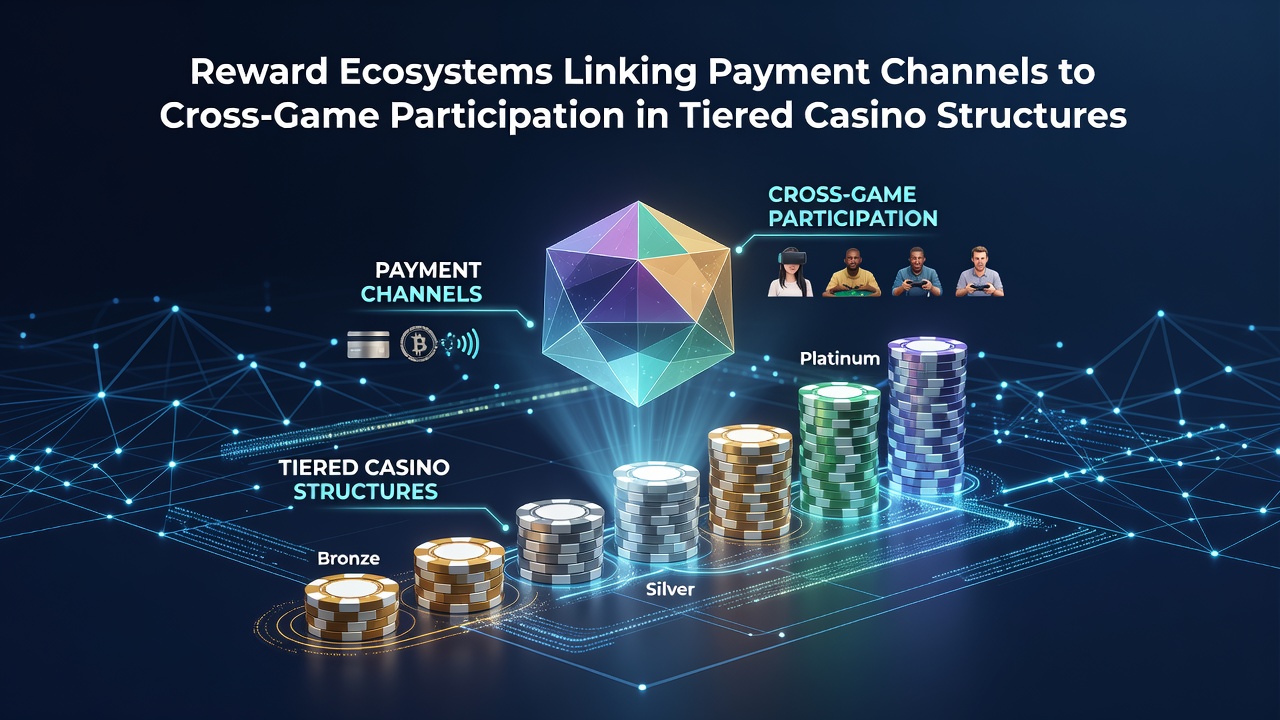
Payment channels now serve as the primary connectors in reward ecosystems that allow players to move between different game types while accumulating points toward tiered casino benefits, and this integration has expanded notably through 2026 as operators refine their systems to track activity across slots, table games, and digital platforms. Data from industry reports shows that electronic transfers and digital wallets enable real-time updates to player profiles, which in turn support seamless progression through loyalty levels without requiring separate accounts for each game category.
Mechanics of Payment Integration in Multi-Game Environments
Operators deploy standardized protocols that link funding methods directly to centralized reward ledgers, so deposits made via mobile apps or kiosks automatically register across reel-based machines and interactive dealer sessions. Research indicates that these connections reduce friction for participants who switch between formats, since transaction records feed into algorithms that calculate eligibility for tier upgrades based on total spend rather than isolated game activity. One study from a North American gaming research group found that systems using unified payment gateways recorded higher cross-format engagement rates compared with fragmented legacy setups.
Figures from regulatory filings in New Jersey reveal that electronic transfer volumes increased during the first half of 2026, with a significant portion tied to loyalty programs that span multiple game types. These records demonstrate how payment data streams support automated bonus allocations when players reach thresholds that span both portable reel encounters and real-time table engagements.
Cross-Game Participation Patterns in Tiered Structures
Tiered casino frameworks assign benefits according to cumulative participation metrics, and payment channels supply the tracking infrastructure that captures activity whether it occurs on mobile devices or physical floors. Observers note that players who fund accounts through diverse methods often maintain momentum across game categories because reward points accrue in a single ledger, which then unlocks higher status levels with associated perks such as elevated table limits or accelerated bonus structures.
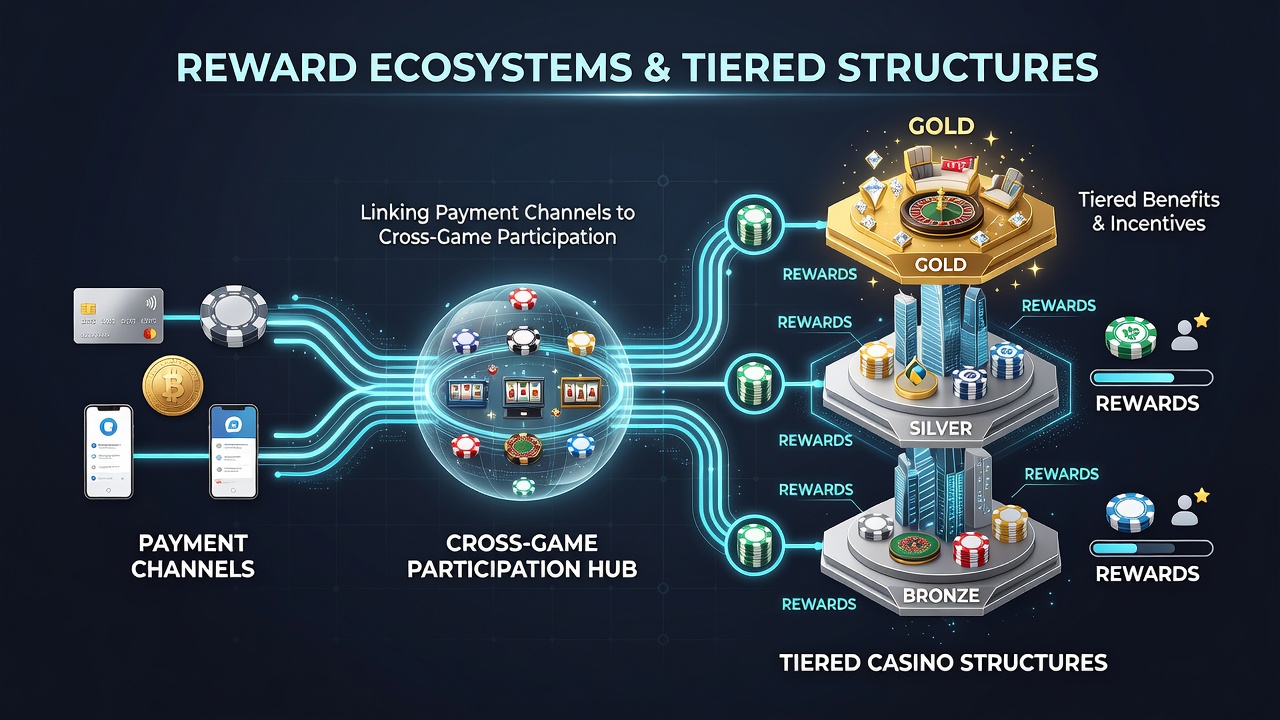
According to reports compiled by the New Jersey Division of Gaming Enforcement, loyalty program participation across hybrid formats grew steadily through September 2026, driven in part by payment solutions that verify and route funds while updating tier status instantaneously. This approach allows operators to maintain consistent reward pathways even when regulatory environments differ by jurisdiction.
Role of Digital Wallets and Transfer Protocols
Digital wallet protocols now function as intermediaries that authenticate transactions and simultaneously log data points required for tier advancement calculations. Evidence from European industry analyses shows that wallet-based systems facilitate participation in both reel accumulators and live dealer formats by maintaining synchronized records that prevent duplication of effort for players moving between venues or device types. Those who have examined transaction logs in multiple markets report that such protocols correlate with sustained engagement across game types within the same loyalty hierarchy.
Canadian provincial regulators have documented similar patterns where electronic transfers feed directly into advancement tracks, enabling participants to carry forward progress from one game category to another without manual intervention. These records highlight how the underlying payment infrastructure supports the structural integrity of tiered reward systems rather than operating as a separate layer.
Regulatory Context and Industry Data Through Late 2026
Updates from Australian oversight bodies during September 2026 indicate continued emphasis on transparent payment tracking within loyalty frameworks, which aligns with broader efforts to monitor cross-game activity for compliance purposes. Industry organizations such as the European Gaming and Betting Association have published summaries showing that integrated payment and reward systems appear in a growing share of licensed operations across member states.
Academic papers from research institutions in Canada have examined the data flows that connect funding channels to participation metrics, noting measurable increases in multi-format play when payment protocols operate in tandem with tier management software. These findings provide operators with benchmarks for adjusting their own ecosystems while remaining within established regulatory parameters.
Conclusion
Payment networks continue to underpin the connections between game formats and tiered reward structures, supplying the data backbone that allows cross-participation to register consistently across different casino environments. Regulatory filings and industry summaries through September 2026 confirm that these linkages have become standard features in many markets, supported by digital wallet technologies and standardized transfer protocols that maintain accurate player records without regard to the specific game type involved.